
The 7-to-10-Year Background Lookback Period
How far back do DFW apartments look? Typical 5-to-10-year screening windows, how older records drop off, and why timing affects approval.
You already know that a flawless credit score puts you at the front of the line for Dallas luxury apartments.
We often see renters with pristine financials get blindsided by an old, forgotten background issue, which delays their move and jeopardizes rebates. That delay happens because automated screening software spots a record and halts the instant approval process.
Here are the rules behind the apartment background check lookback period texas property managers enforce, what the data means for your timeline, and how to structure your application for a fast approval.
Common DFW lookback windows
The exact lookback period a Dallas community uses dictates whether an old record is flagged or ignored. Property managers configure these windows directly into their automated screening software.
We rely on Texas Property Code 92.3515, which legally requires communities to provide their written qualifying criteria before accepting your application fee. This requirement matters because it prevents wasted money. You can check the exact timeframe they use before spending seventy five dollars on a non-refundable check.
We have mapped out the most frequent timelines used across the metroplex to help you target the right buildings.
| Lookback Window | Common Property Types | Screening Impact |
|---|---|---|
| 2-3 years | Small operators, second chance properties | Most flexible |
| 5 years | Class B mid rises, older garden style | Typical middle ground |
| 7 years | Mainstream Class A and Class B | The standard background lookback dfw window |
| 10 years | New Class A high rises (Plano, Frisco, Uptown) | Strict premium standard |
| Unlimited | Ultra premium exclusive properties | Rare but heavily enforced |
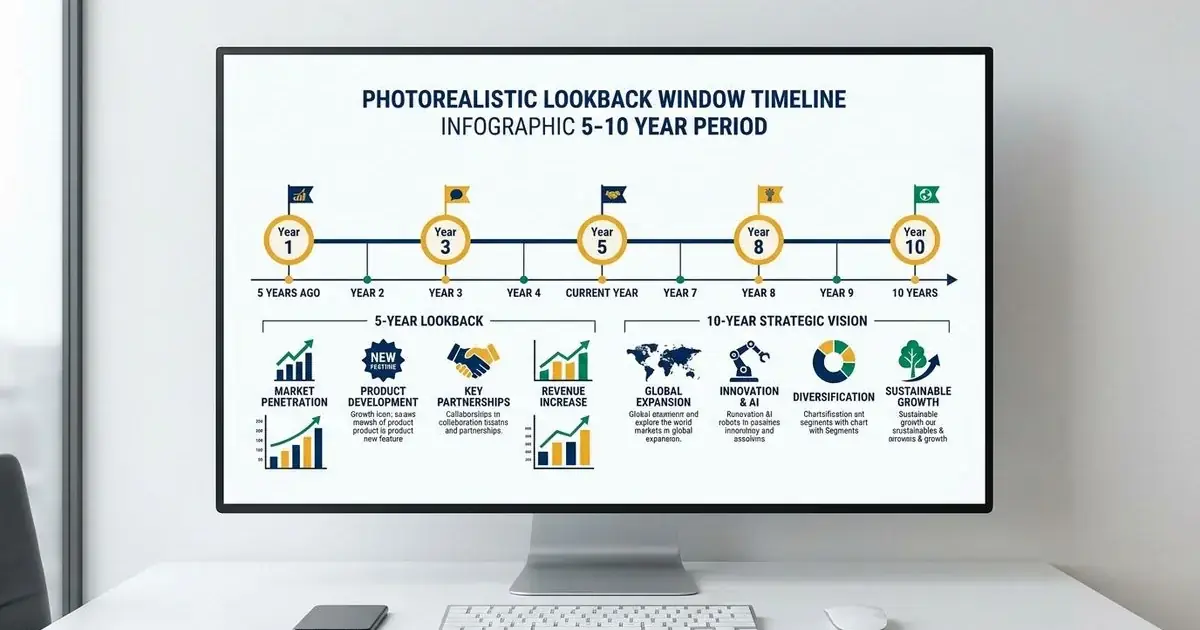
A simple rule of thumb explains how far back apartment background check systems look. A six year old record at a five year lookback community is virtually invisible to the decision maker. That same record at a seven year community remains actively in range and will trigger a manual review.
What “outside the lookback” actually means
Falling outside the lookback window means the community’s automated system physically ignores the record during the approval sequence. It effectively becomes a nonissue for your leasing decision.
We see major platforms like RealPage and Yardi Voyager programmed to approve applications instantly if all data falls outside the specified dates. Several distinct things happen when your record clears this line:
- The automated screening software will not issue an automatic rejection code.
- The leasing manager is instructed to disregard the old data entirely.
- The record might still appear on a raw public search, but the scoring model weights it at zero.
Our daily experience confirms that a clean pass through the automated system is your fastest ticket to approval. This rapid clearance is exactly what you need to finalize your relocation and lock in those free moving services.
An applicant who is fourteen months past a five year line has dramatically wider, faster community options than someone still eleven months inside the window.
Weight inside the window
Records falling inside the active window are weighed heavily based on recency and the specific offense. Property managers don't treat a four year old issue the same as a four month old issue.
We track changing industry standards, noting that organizations like the Austin/Travis County Reentry Roundtable now recommend capping felony lookbacks at seven years. This push for fairness encourages many Dallas hybrid approval communities to apply a sliding scale for risk rather than a flat denial.
Even within the active lookback, the impact diminishes as time passes:
- Under 2 years: This carries the heaviest weight and often requires a specialized approval process.
- 2 to 5 years: This zone holds moderate weight, making it a great fit for mid tier hybrid communities.
- 5 to 7 years: The system applies light weight here, and even strict communities sometimes approve these files.
- 7+ years: At properties with ten year windows, these old records carry very light weight and clear easily at flexible locations.
Our strategy for handling a recent flag involves pairing it with an overwhelming financial profile. The practical approval picture is usually friendlier than the strict lookback window suggests at first glance. You can offset the risk by showing an income of 3x to 3.5x the monthly rent.
The offense type also plays a major role, which is covered in detail in our guide to Misdemeanor, Felony & Deferred Adjudication: How Screening Differs.
How to use the lookback to your advantage
You hold the power to control where and when you apply, saving both time and application fees. Taking a strategic approach improves your odds of landing the unit quickly and get your moving incentives.
We recommend executing a precise action plan before submitting any paperwork. Practical steps to get your approval:
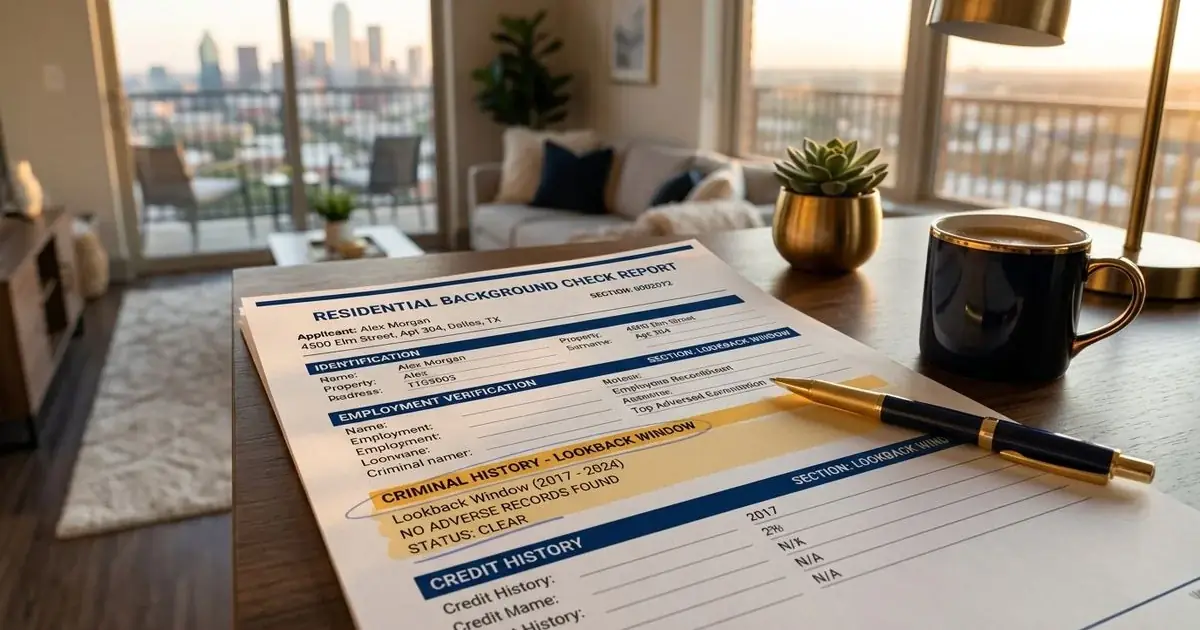
- Pinpoint the exact date: Check the county court portal to find your official case completion date, not just the offense date.
- Demand the written rules: Request the written qualifying criteria from each community before applying, as Texas law mandates they provide it.
- Align the timelines: Target communities whose documented lookback window strictly favors your specific completion date.
- Overpower with financials: Pair your application with strong income documentation showing deposits at 2x to 3x the rent.
We provide a complete background flag playbook in the Background Friendly Apartment Locating hub.
A single data entry error on a background report can sometimes cause an instant denial so knowing your dates acts as an insurance policy.
When you are ready to apply at communities where your record reads favorably, tell us your situation and we will line up the right list within 24 to 48 hours.
Frequently asked questions
How far back do apartment background checks go?
Do old records eventually stop mattering?
Can I remove old records from my background check?
Does the lookback start from the offense date or release date?
Related service
Free locating for renters with a criminal background flag. We target DFW communities with lenient screening.
See Background Friendly